
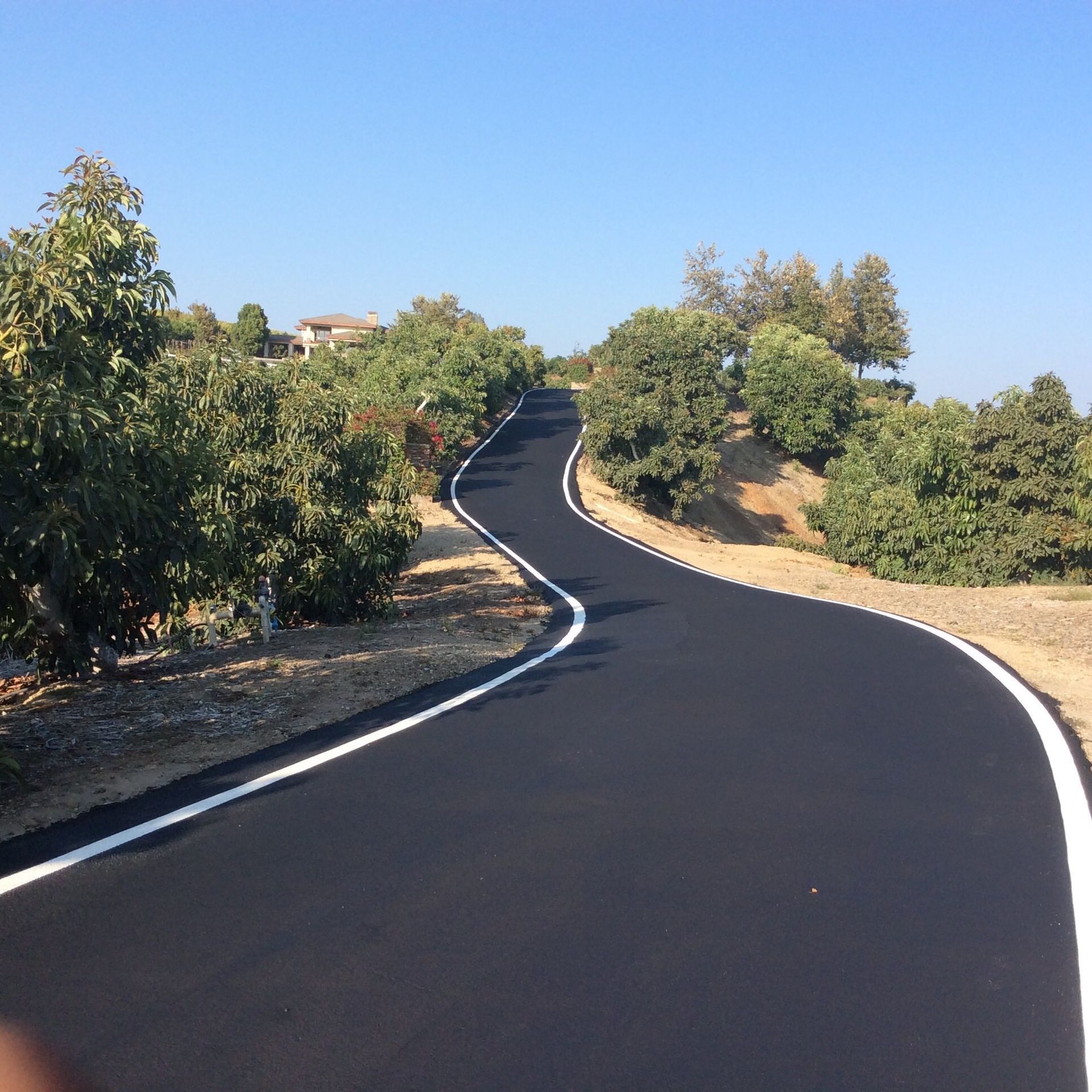
Pothole Fixes That Look Neat Not Patched
Asphalt Repair in Bakersfield for commercial and residential pavement where damage creates liability concerns and accelerates deterioration
Valley heat cycles cause asphalt to expand and contract repeatedly, opening cracks that allow water infiltration into the base layer where freeze-thaw action and traffic loading create voids beneath the surface. Sunnyseal Coating And Striping Inc squares off damaged areas rather than following irregular crack patterns, producing repairs with clean edges and a professional appearance that blends with surrounding pavement. Proper repair technique matters in Bakersfield where temperature extremes cause rapid deterioration if damaged sections are simply filled without addressing the underlying base failure.
Asphalt repair involves cutting out the damaged section in a rectangular or square shape, removing failed material down to stable base, and filling the void with hot-mix or cold-patch asphalt depending on repair size and access constraints. This method produces a permanent fix rather than a temporary patch that crumbles under traffic within months.
Schedule a pavement inspection to identify damaged areas requiring immediate repair and sections where preventive maintenance can stop deterioration before structural failure occurs.
Why Square-Cut Repair Works for Permanent Fixes
Square cutting removes all weakened asphalt around a pothole or crack, creating straight edges that provide better compaction and support for the patch material. Following irregular crack patterns leaves weak spots where the repair meets old pavement, allowing the damage to continue spreading outward from the patch. The square-cut method also produces a visually neat repair with defined edges rather than the irregular appearance of patches that follow damage contours.
Once repair is complete, the patched area sits flush with surrounding pavement, displays clean rectangular edges, and supports vehicle weight without settling or crumbling. Hot-mix asphalt provides the most durable repair for larger damaged areas, while cold-patch material works for smaller holes or repairs completed during cooler months when hot-mix is less practical. The repair prevents water from infiltrating into the base layer where it would cause additional pavement failure and expand the damaged area.
Repair work addresses structural pavement damage but does not include sealcoating or line striping, which are separate services applied after the asphalt has cured. The choice between hot-mix and cold-patch depends on repair size, access for equipment, and whether the patch needs to be immediately traffic-ready or can cure over several days for maximum durability.
Questions Before Starting Your Project
Commercial property managers and homeowners dealing with pavement damage in Bakersfield typically ask about repair methods, material options, and how quickly repaired areas can handle vehicle traffic again.
What is the difference between hot-mix and cold-patch asphalt?
Hot-mix asphalt is applied at high temperature and compacts into a dense, permanent repair that performs like original pavement, while cold-patch can be applied without heating but typically serves as a temporary fix or works for smaller repairs where hot-mix equipment access is impractical.
Why does square cutting produce better repairs than filling the pothole shape?
Cutting straight edges removes all weakened material around the damage and provides solid edges for the patch to bond against, preventing the repair from separating at irregular boundaries where old cracked asphalt would continue deteriorating.
How soon can vehicles drive on repaired asphalt?
Hot-mix repairs can typically handle light traffic within a few hours once the material cools and compacts, while cold-patch requires longer curing time and should ideally be kept traffic-free for 24 hours, though exact timing depends on temperature and patch size.
When should damaged asphalt be repaired rather than replaced?
Isolated potholes and localized failures are good candidates for repair work, but extensive cracking covering large areas or widespread base failure often indicates that full pavement replacement will be more cost-effective than patching multiple failing sections.
What causes potholes to form in Bakersfield parking lots and driveways?
Water infiltration through cracks reaches the base layer beneath the asphalt, where it weakens support and creates voids, then traffic loading causes the unsupported surface to collapse into those voids, forming potholes that expand rapidly under continued traffic.
With 17 years of pavement repair work and licensed and insured credentials, Sunnyseal Coating And Striping Inc focuses on neat, professional repairs that address underlying base issues rather than quick patch jobs. Arrange a damage assessment to evaluate whether your pavement requires repair, full replacement, or preventive maintenance to stop deterioration before major failure occurs.